
If you’re outwardly coping but privately feeling anxious, low, emotionally stuck or burnt out, therapy can help you make change that holds in daily life. Often the same relationship patterns repeat: overgiving, withdrawal, fear of conflict, difficulty relying on others, and pressure builds over time.
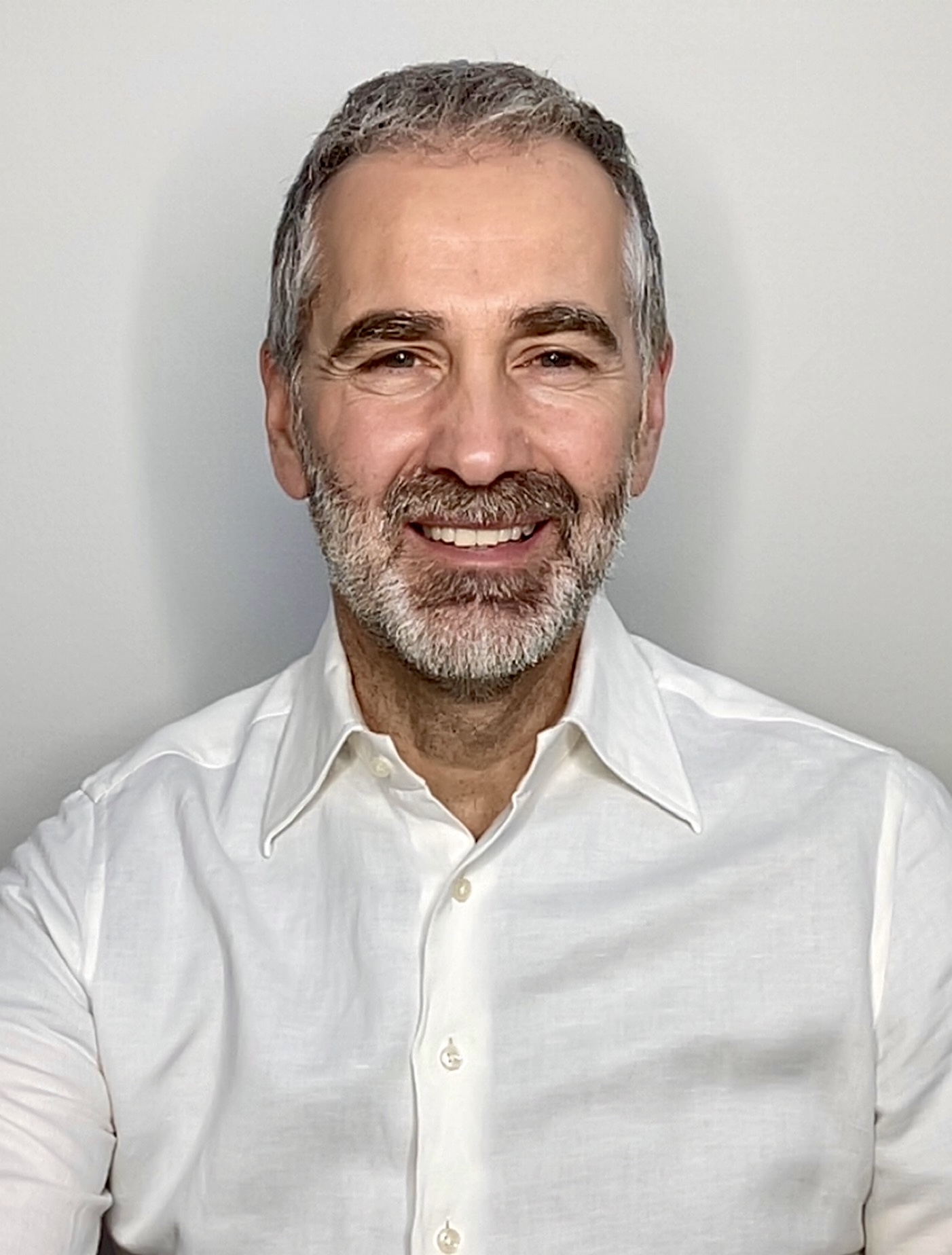
I’m Dr Zach Vogiatzis, a Chartered Counselling Psychologist (HCPC registered) and the founder of The Psychology Clinics, offering therapy in Central London (W1W) and online. I specialise in burnout/high-pressure functioning, repeating relationship patterns and anxiety/low mood, including when stress shows up physically as stress-related and medically unexplained (persistent) physical symptoms (PPS).
Therapy with me is active and collaborative. We map the cycle linking body sensations, attention, emotion and behaviour, reduce symptom fear and avoidance/reassurance loops, and work with patterns as they happen so insight becomes lived change.

Different approaches help different people, but the most important ingredient is not a technique; it’s how the work is done. My style is active and collaborative. We pay attention to what happens in real time, mind, body and relationship, so insights become lived change.
Psychotherapy (adults)
Active, evidence-based psychotherapy for anxiety, depression, burnout, relationship difficulties and persistent physical symptoms (PPS/medically unexplained symptoms). Sessions are offered in Central London (W1W) and online.
Clinical supervision (psychologists/therapists)
Formulation-led, reflective supervision for clinicians working with complexity, trauma, somatic distress and relational dynamics. A collaborative space that supports both clinical depth and sustainable practice.

Therapy is not just about insight; it is about noticing patterns as they happen and creating real change in how you relate to yourself, your body and other people. We pay attention to moments you want to withdraw, please, explain, numb out or push through and work with what is happening in the room so your responses shift over time.
Clients often notice improvements such as:
If you’ve reached the limit of coping alone or you’ve found that insight helps you understand but does not create lasting change, therapy may be the next layer. You’re welcome to get in touch to arrange an initial consultation and see whether working together feels right.



"
Thanks to Dr Zach, now I know that everything is going to be OK.
"I’ve finally connected with the most important person in my life: myself.
"
My anxiety is so much more under control and I feel a lot calmer.
Dr Zach’s therapy improved my quality of life so much and helped me to understand things that felt so complicated before.
"I feel very lucky to have seen him.
"
Dr Zach really allowed me to become more self-aware and explore my feelings in depth.
"I genuinely feel the time spent with him has been transformative for me.
"
Just to say thank you so much for everything Dr Zach.
You’re quite simply amazing and I’ll forever be grateful for all you taught me and shared with me.
"I feel so much stronger than I did before.